The Ultimate FPS Timeline: From Wolfenstein to Apex Legends
Explore the thrilling evolution of first-person shooters, from the pioneering Wolfenstein 3D and genre-defining DOOM to modern masterpieces like Titanfall 2 and Doom Eternal.
Hey gamers! Let's take a trip down memory lane and talk about the evolution of first-person shooters. As a huge FPS fan myself, I've spent countless hours blasting through demons, zombies, and enemy soldiers across decades of gaming history. Many people think DOOM started it all back in 1993, but actually, the real OG was Wolfenstein 3D from 1992. Still, DOOM definitely became the game-changer that defined what FPS could be - it sold millions, spawned sequels, and basically created the blueprint for the entire genre. Fast forward to 2026, and we've seen this genre evolve in ways those early developers probably never imagined! From simple corridor shooters to massive battle royales and story-driven masterpieces, FPS games have become a cornerstone of gaming culture. Let me break down some of the most iconic titles that shaped this journey. 🎮
The Titans of Destruction
Titanfall 2 (2016)
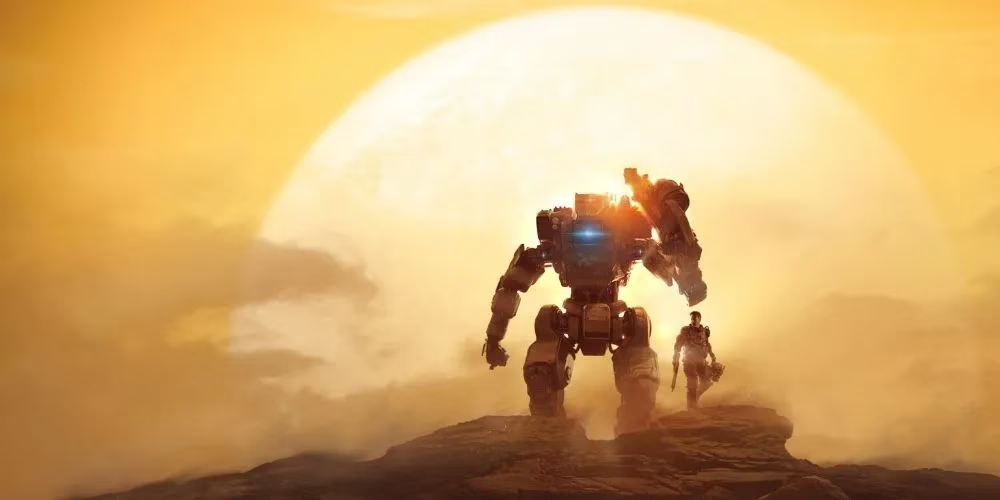
Man, let me tell you - Titanfall 2 was an absolute game-changer! Even though the franchise has had its issues (looking at you, hackers 👀), the sheer fun factor of piloting giant mechs while seamlessly transitioning to on-foot combat was next level. The campaign mode in Titanfall 2 was surprisingly emotional and innovative, blending human-scale gunplay with Titan mayhem in ways that felt fresh even in a crowded market. The movement system was so smooth it made other shooters feel clunky by comparison. It's that rare sequel that not only improved on the original but created something truly special.
Doom Eternal (2020)
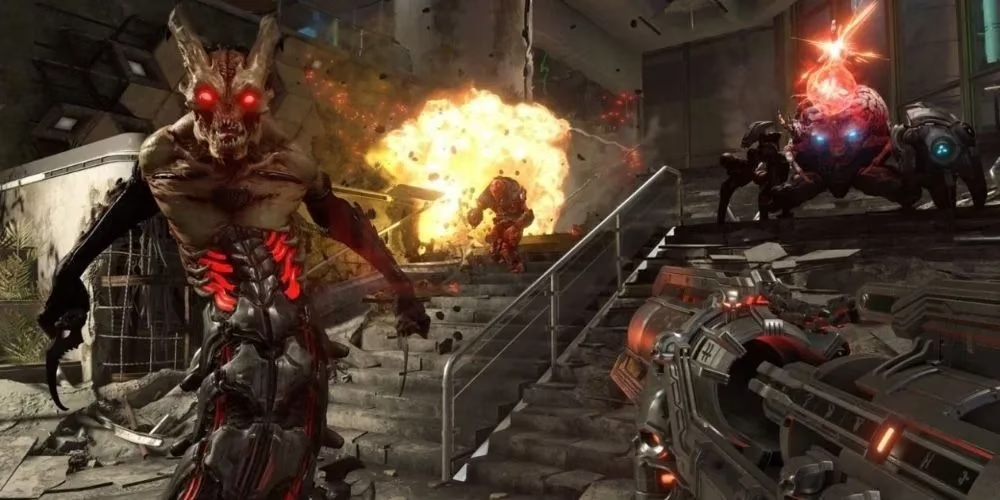
The Doom Slayer is back and more brutal than ever! Doom Eternal took everything that made the 2016 reboot great and cranked it up to eleven. The combat loop is pure perfection - shoot, chainsaw, glory kill, repeat. What makes this game stand out even in 2026 is how it manages to feel both nostalgic and innovative simultaneously. The soundtrack slaps harder than the Doom Slayer's fist through a demon's skull, and the level design encourages aggressive, non-stop action that keeps your adrenaline pumping. It's the perfect example of how to modernize a classic without losing its soul.
Multiplayer Masterpieces
Counter-Strike (2000)
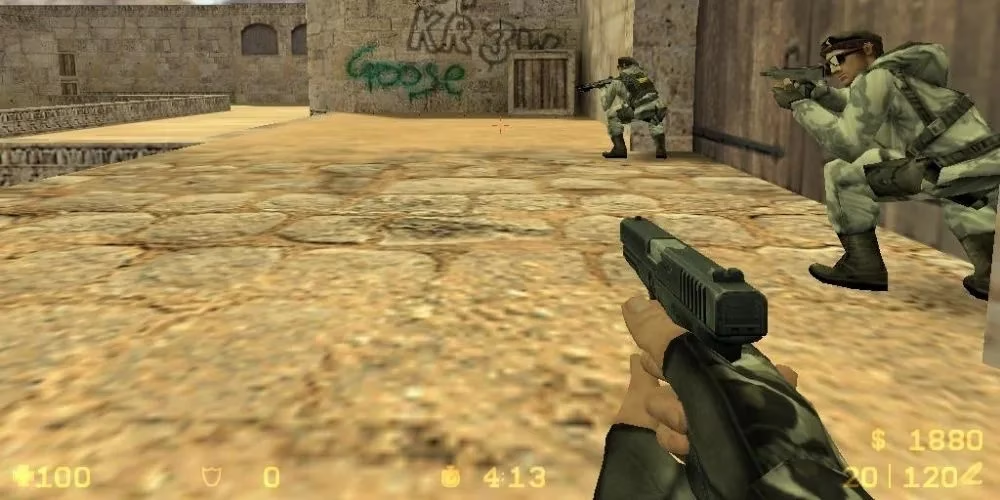
Can we talk about longevity? Counter-Strike started as a Half-Life mod and became one of the most influential shooters of all time. The tactical gameplay, economy system, and map design created a competitive experience that's still going strong today. What's crazy is how the core gameplay loop remains satisfying decades later. The weapon balance, the tension of bomb defusal scenarios, the teamwork required - it all just works. It's the grandfather of tactical shooters and honestly, not much has topped it since.
Apex Legends (2019)
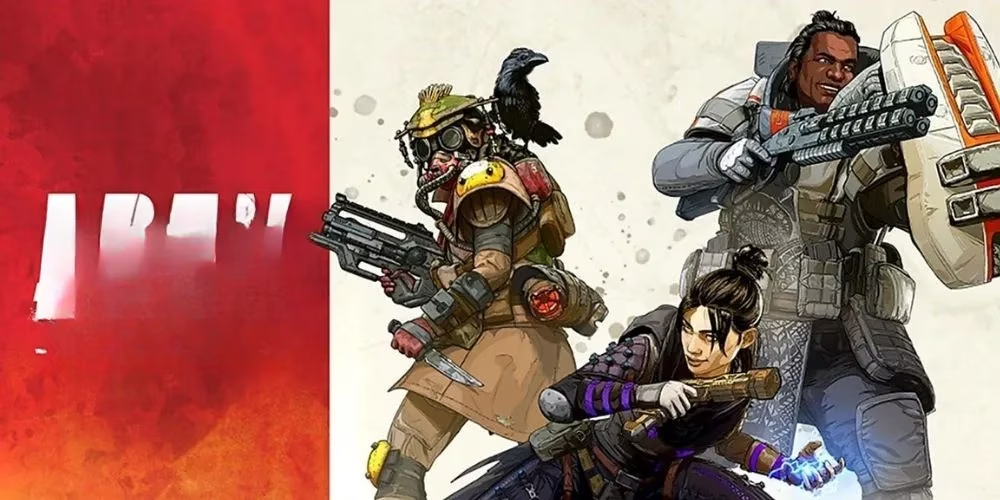
When Apex Legends dropped out of nowhere in 2019, it changed the battle royale game forever. Respawn took the movement mechanics from Titanfall and created a hero shooter that emphasized teamwork and unique abilities. Even in 2026, the ping system remains the best communication tool in any multiplayer game - you can literally play with randoms without using voice chat and still coordinate perfectly! The character designs are iconic, the gunplay is satisfying, and the constant updates keep the meta fresh. It's free-to-play done right. 🙌
| Game | Release Year | Key Innovation |
|---|---|---|
| Wolfenstein 3D | 1992 | First true FPS |
| DOOM | 1993 | Popularized the genre |
| Counter-Strike | 2000 | Tactical team gameplay |
| Apex Legends | 2019 | Hero-based battle royale |
Campaign Kings
BioShock (2007)
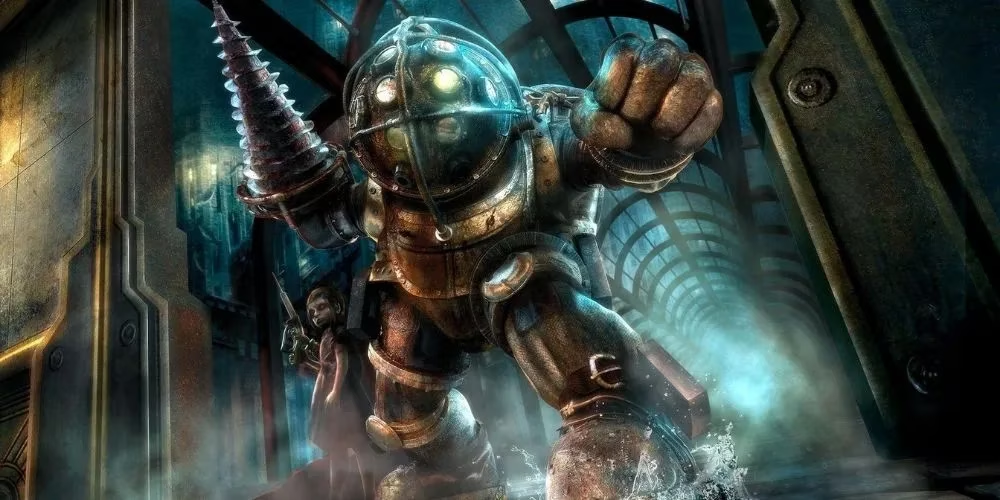
Would you kindly appreciate this masterpiece? BioShock wasn't just a shooter - it was a philosophical journey through a broken utopia. Rapture remains one of gaming's most memorable settings, and the plasmid system let you customize your playstyle in creative ways. The twist (you know the one) still hits hard even on replays. What makes BioShock special is how it blends FPS mechanics with horror elements and deep storytelling. It proved shooters could be intellectually stimulating while still being fun to play.
Call of Duty 4: Modern Warfare (2007)
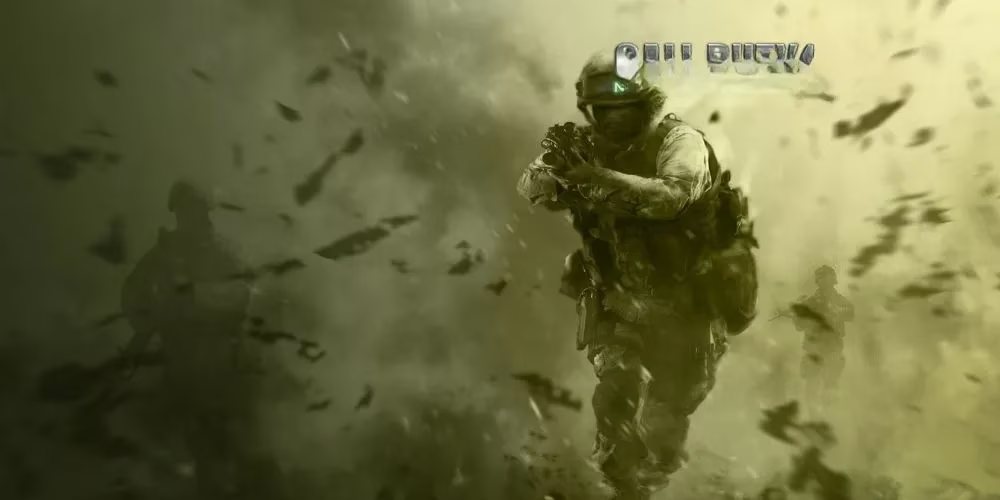
This game changed everything. Modern Warfare brought military shooters into the contemporary era with its cinematic campaign and revolutionary multiplayer progression system. The "All Ghillied Up" mission is still talked about as one of gaming's greatest moments. The multiplayer created that "just one more match" addiction with its unlockable perks, weapons, and killstreaks. It set the standard for what a modern military shooter should be and influenced countless games that followed.
Co-op Classics
Left 4 Dead 2 (2009)
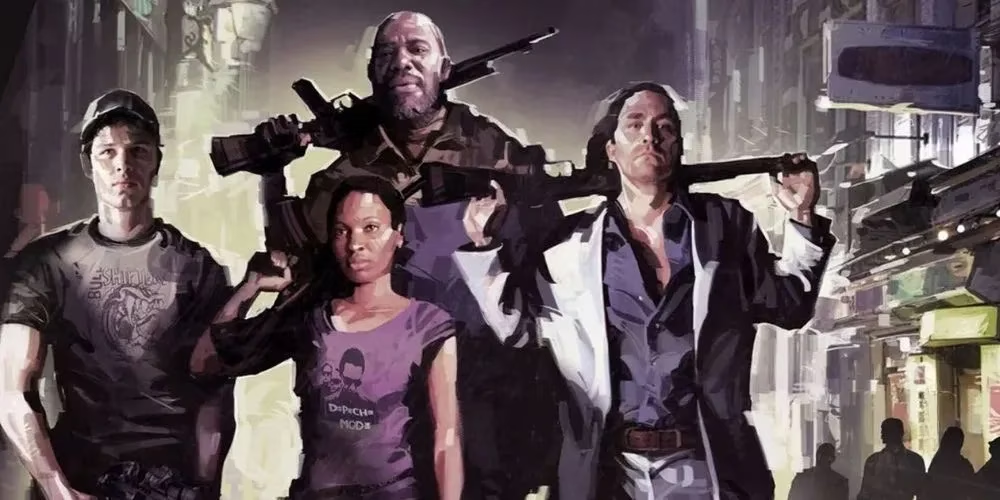
PILLS HERE! Left 4 Dead 2 perfected the cooperative zombie survival formula. The AI Director that dynamically adjusted difficulty based on player performance was genius, creating unique experiences every playthrough. The special infected forced real teamwork - you couldn't just run off and be a hero. Each character felt distinct, and the versus mode where you could play as the zombies was ahead of its time. Even now, the game holds up remarkably well, and its spiritual successor Back 4 Blood shows how influential this formula remains.
Borderlands 2 (2012)
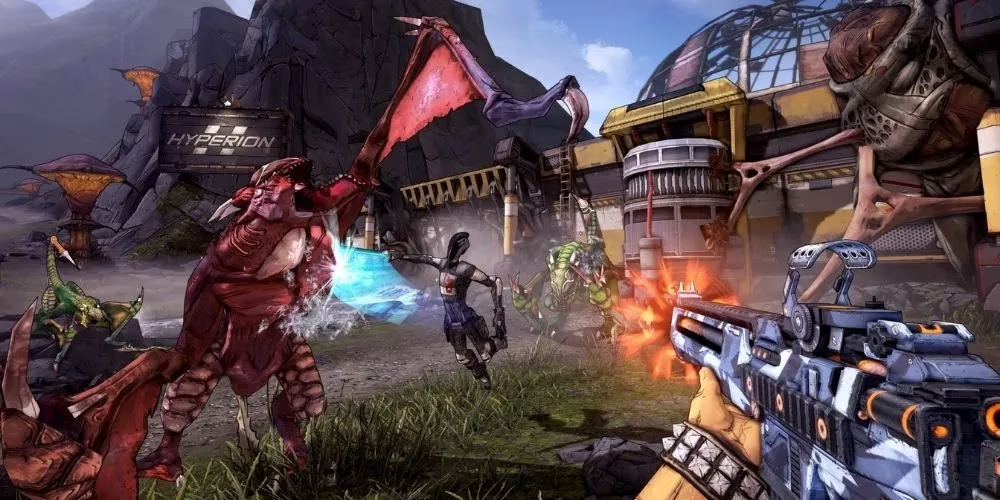
Loot, shoot, repeat! Borderlands 2 took the foundation of the first game and created something truly special. The cel-shaded art style aged like fine wine, Handsome Jack remains one of gaming's best villains, and the weapon variety was absolutely insane. What really made this game shine was the couch co-op - actually sitting next to your friends while exploring Pandora created memories that online multiplayer just can't replicate. The humor, the heart, the endless loot... it's the complete package.
Innovation Station
Battlefield: Bad Company 2 (2010)
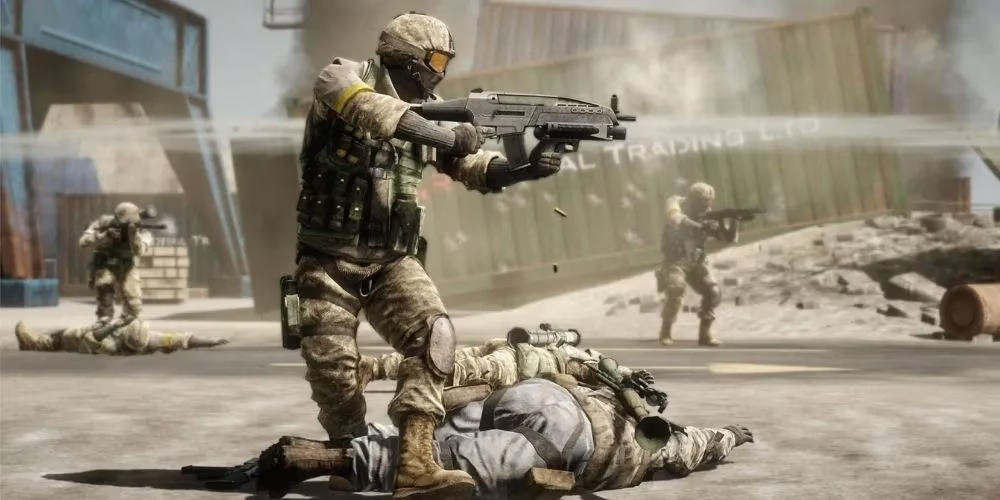
Remember when destructible environments felt revolutionary? Bad Company 2 was peak Battlefield for many players. The single-player campaign had actual personality (thanks to the squad's banter), but the multiplayer was where this game truly shined. Being able to literally level buildings changed how you approached firefights - no camping spot was safe! The vehicle combat, class system, and massive maps created epic battles that felt like you were in a war movie.
Unreal Tournament (1999)
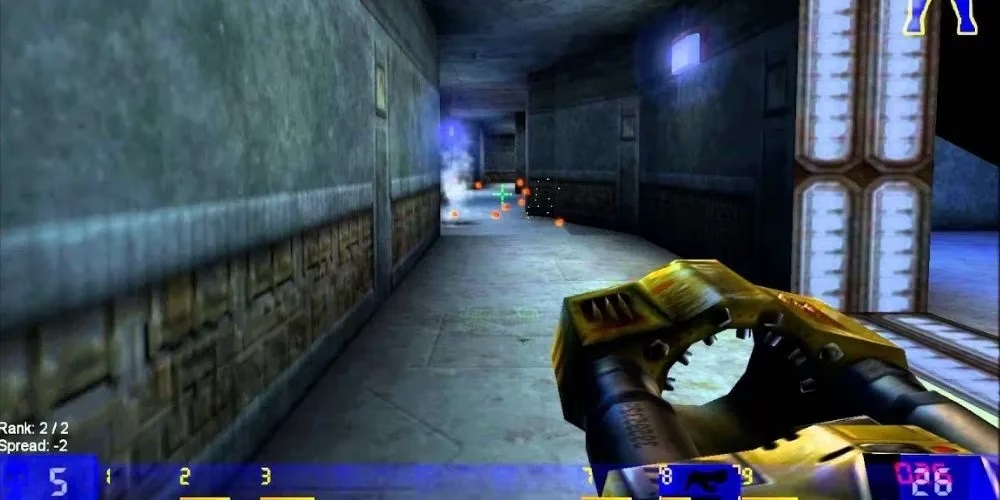
Before battle royale was cool, there was Unreal Tournament. This game didn't bother with a story mode - it was pure, unadulterated arena combat. The weapons were creative (who could forget the Flak Cannon?), the movement was fast and fluid, and the multiplayer was addictive AF. It was one of the first games to really nail online multiplayer on consoles and introduced concepts that would become standard in competitive shooters. The modding community kept this game alive for years with custom maps and modes.
Looking Forward
As we move through 2026, the FPS genre continues to evolve in exciting ways. We're seeing more narrative depth, better accessibility options, and innovations in movement and gameplay mechanics. VR shooters are becoming more mainstream, and cross-platform play is becoming standard. What's amazing is how many of these "classic" games still have active communities or have received modern remasters.
What makes a great FPS hasn't really changed though - satisfying gunplay, engaging mechanics, and that intangible "feel" that keeps you coming back. Whether you're a fan of tactical team play, story-driven campaigns, or chaotic battle royales, there's something in this genre for everyone. The future looks bright, but let's never forget the games that paved the way. Now if you'll excuse me, I've got some demons to rip and tear... 👹
Expert commentary is drawn from Game Informer, whose long-running reviews and features help contextualize why landmark FPS releases like DOOM, Counter-Strike, and Modern Warfare endure—pairing tight mechanical “feel” with design innovations (movement, progression, or competitive structure) that ripple across later hits such as Titanfall 2 and Apex Legends.