The Great Divide: Video Games Where Critics and Players Vehemently Disagree
The fascinating phenomenon of the critic-player gap in video games, highlighted by titles like Battlefield V, reveals deep divides in perceptions of innovation and franchise identity.
In the ever-evolving landscape of video games, a fascinating and often contentious phenomenon persists: the significant gap between critical acclaim and player reception. While landmark titles like Elden Ring can achieve near-universal praise, the industry's history is littered with releases that sparked a chasm of disagreement between professional reviewers and the dedicated fan base. Platforms like Metacritic, which quantify this divide with separate critic and user scores, serve as a stark ledger for these disparities. As we move through 2026, this dynamic continues to shape discussions about game quality, value, and the very definition of a successful release. The divide is not merely about differing tastes; it often highlights fundamental disagreements about innovation, franchise identity, technical execution, and consumer value.

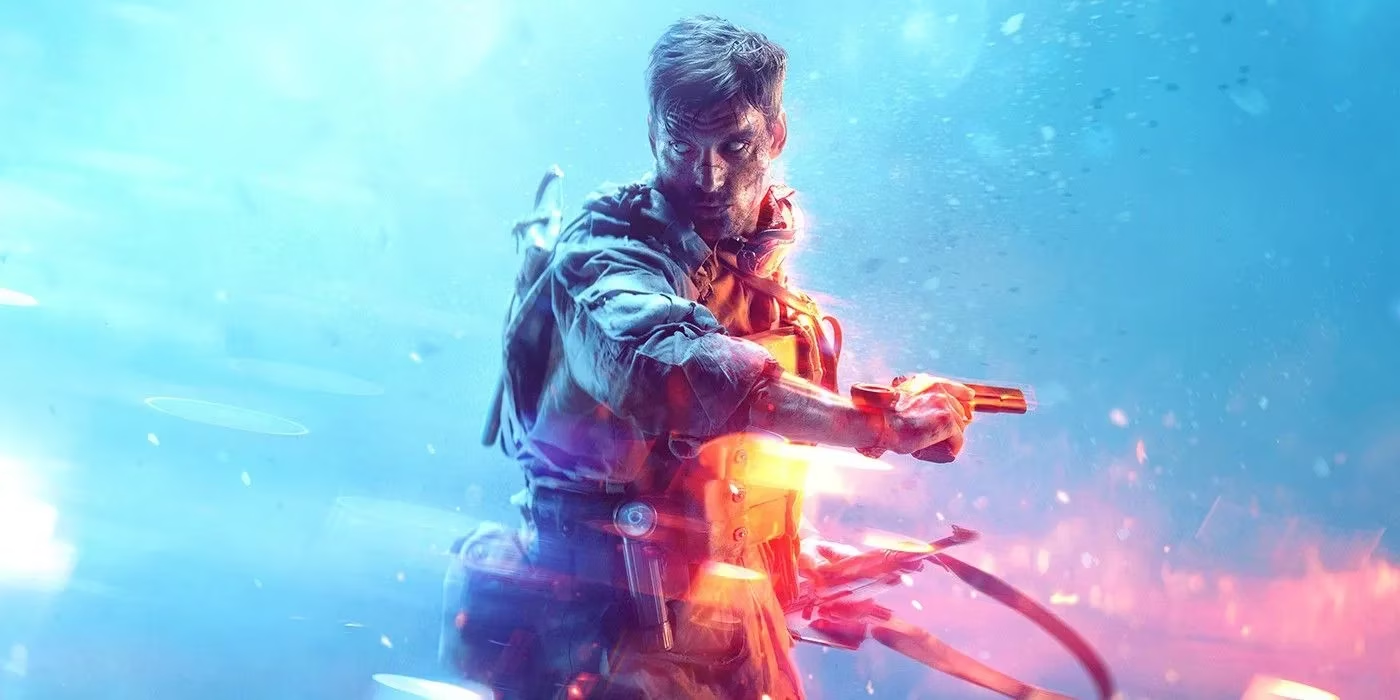
Battlefield V (2018): A Tactical Misstep?
Critic Score: 73 | User Score: 2.6
DICE's Battlefield V aimed to deliver a gritty, narrative-driven take on World War II. Critics, awarding it a respectable 73, often praised its ambitious single-player "War Stories" and the visual variety within its multiplayer maps. The game was commended for attempting to keep the spirit of cinematic, large-scale warfare alive. However, the player base revolted, slamming it with a dismal 2.6 score. Fans criticized the multiplayer as lacking the passion and polish of earlier entries, deriding map design and a perceived departure from the series' core tactical identity. The chasm here represented a clash between appreciation for thematic ambition and frustration over execution and feel.
Call of Duty's Divergent Paths
The Call of Duty franchise, a titan of the first-person shooter genre, has not been immune to this critic-player rift. Two entries, in particular, stand out:
-
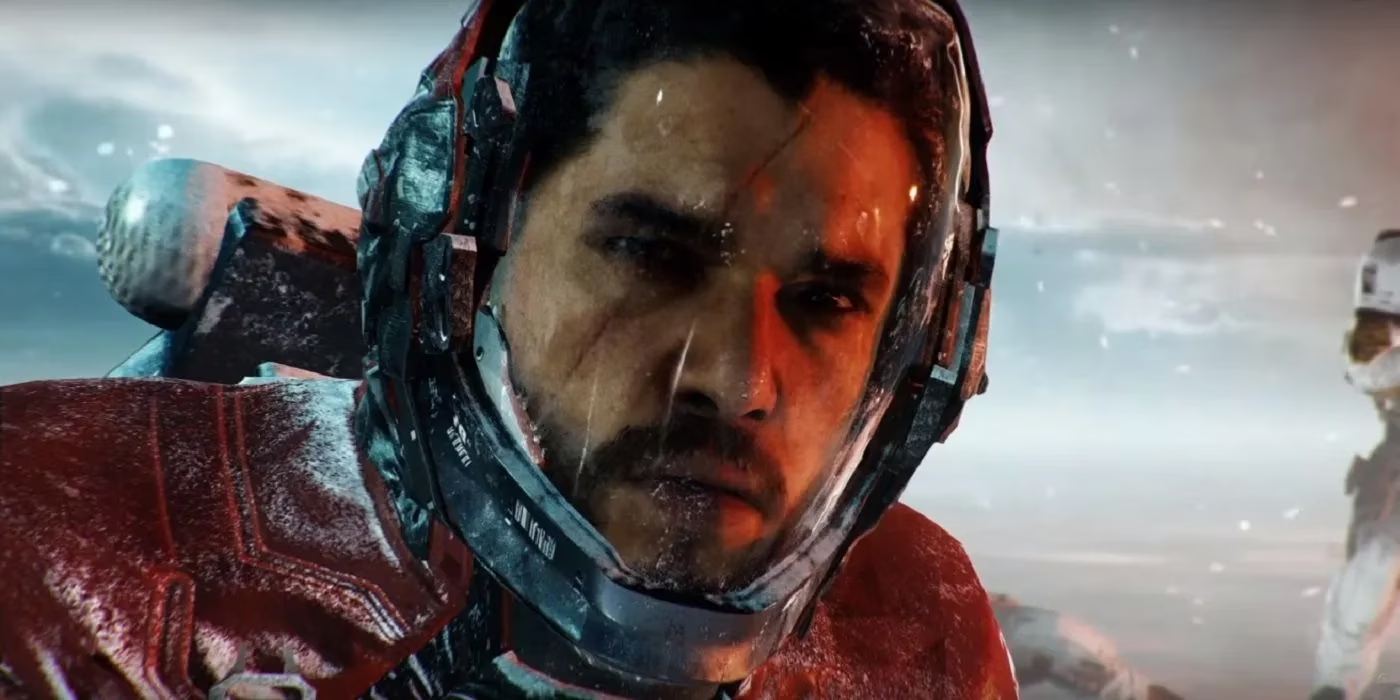
Call of Duty: Infinite Warfare (2016) - Critic: 78 | User: 4.1
Critics saw potential in its shift to a futuristic setting, noting increased mobility and new mechanics like the jetpack as refreshing evolutions. For many players, however, this was a step too far from the grounded, modern military roots that defined the series' peak, leading to widespread fan backlash.
-
Call of Duty: Black Ops 4 (2018) - Critic: 83 | User: 3.2
This title faced perhaps even harsher player criticism, especially on PC. Reviewers highlighted its entertaining gameplay loop and satisfying progression systems. Players, conversely, lambasted it for a perceived lack of substantial content, labeling the gameplay as dull and criticizing the heavy emphasis on microtransactions, feeling the core package was incomplete.
Diablo's Controversial Legacy
Blizzard's iconic action-RPG series has seen two major releases that split opinion.
-
Diablo III (2012) - Critic: 88 | User: 4.1
Lauded by critics as a fantastic, addictive entry with a stellar soundtrack, the game secured a high 88 score. The player base, however, was deeply divided. Many long-time fans felt the game had lost the gritty, complex charm of Diablo II, criticizing its more repetitive gameplay loop and the controversial initial implementation of the real-money auction house.
-
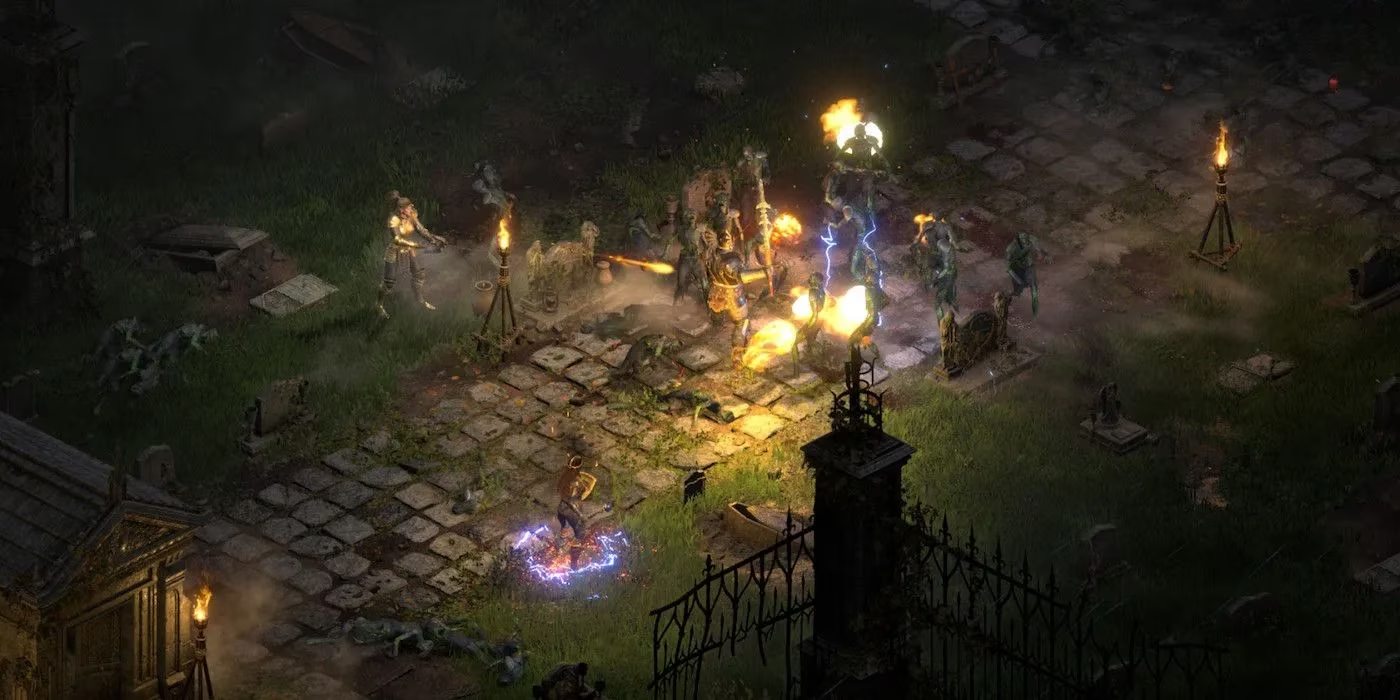
Diablo II: Resurrected (2021) - Critic: 80 | User: 3.0
This remaster presented a modern paradox. Critics appreciated the visual and quality-of-life overhaul given to a beloved classic. Players, however, were met with a launch plagued by severe server issues, bugs, and crashes. The user score of 3.0 reflects the fury over a broken launch for a paid product, a sentiment that persisted well beyond release despite patches.
Dragon Age II: A Streamlined Sequel?
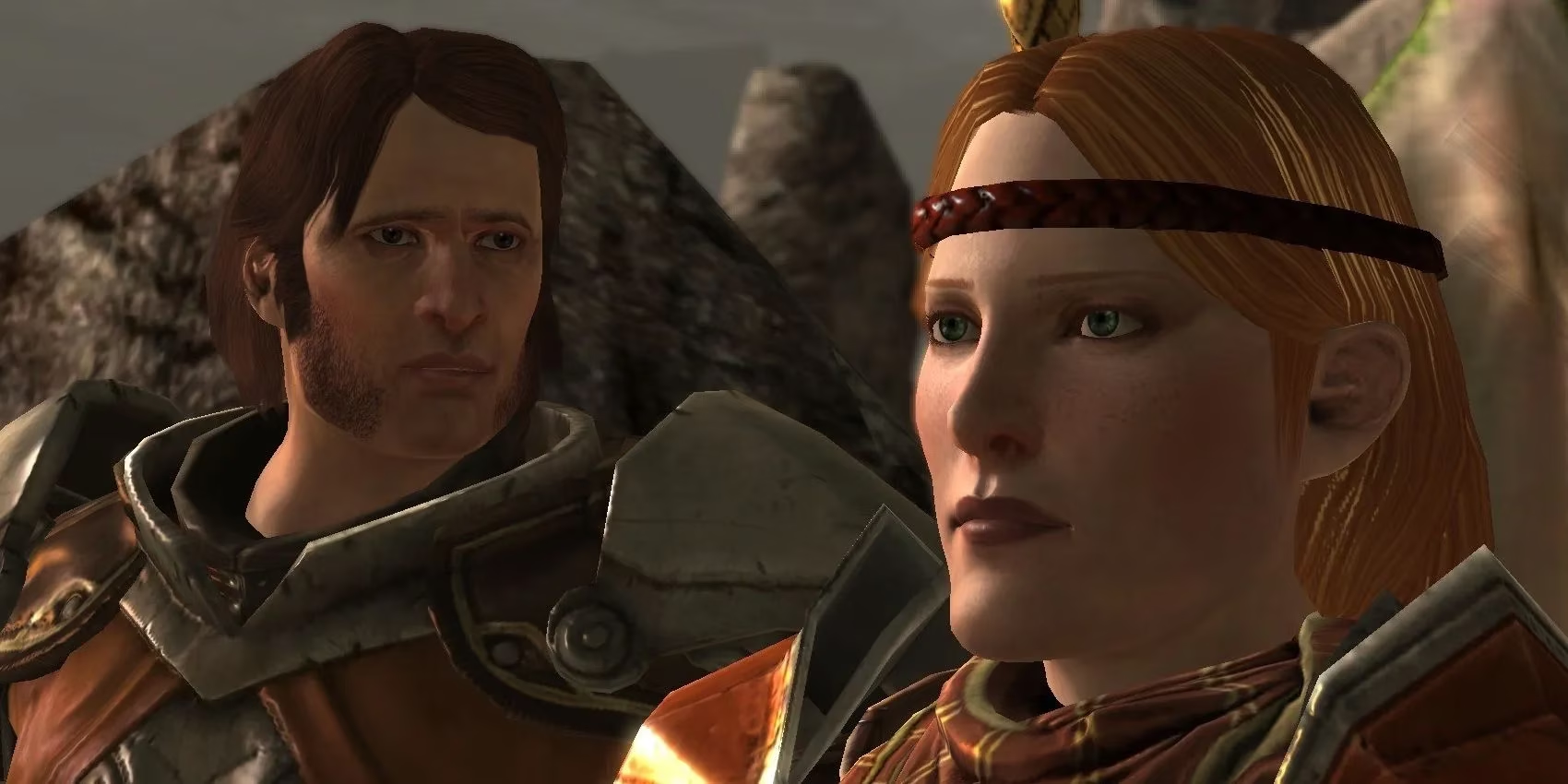
Critic Score: 82 | User Score: 4.6
BioWare's follow-up to the acclaimed Dragon Age: Origins took a dramatic turn in design. Critics responded positively to its more responsive, fast-paced combat and dynamic dialogue system, awarding it an 82. The fan reaction was markedly cooler (4.6). Devotees of the original criticized the shift from strategic, tactical combat to a more simplified hack-and-slash style. The reuse of environments and a significantly smaller, more closed world map were major points of contention, leaving many feeling the sequel had sacrificed depth and scale for pace.
FIFA 20: The Annual Update Dilemma
Critic Score: 79 | User Score: 1.6
FIFA 20 exemplifies the tension inherent in annual sports franchises. Critics, giving it a 79, frequently highlighted its best-in-class visuals and polished game modes. For the player community, this iteration became a symbol of stagnation. The user score plummeted to a shocking 1.6, with fans decrying the lack of meaningful innovation, an increase in bugs, and the aggressive, intrusive nature of its microtransaction systems. The disparity underscores a growing player sentiment against paying full price for what is perceived as a minor roster update.
Street Fighter V: An Unfinished Feeling
Critic Score: 77 | User Score: 3.7
Capcom's flagship fighter launched with critical approval (77) for its core mechanics, new characters, and accessible control schemes. The player base, however, felt short-changed. A user score of 3.7 reflected widespread criticism that the game launched in an incomplete state, severely lacking in single-player and offline content compared to previous entries. Fans also noted that the visuals, while functional, didn't compete with other contemporary fighting games, cementing a reputation that took years of updates and new editions to partially rehabilitate.
World of Warcraft's Expansion Woes
Even Blizzard's genre-defining MMORPG has struggled to align critic and player perspectives in recent expansions.
-
Battle for Azeroth (2018) - Critic: 79 | User: 2.7
Reviewers enjoyed the new, diverse zones and the premise of faction warfare. Players, however, criticized the expansion's narrative direction, excessive grinding requirements ("time-gating"), and a lack of truly new engaging content, leading to mass disappointment.
-
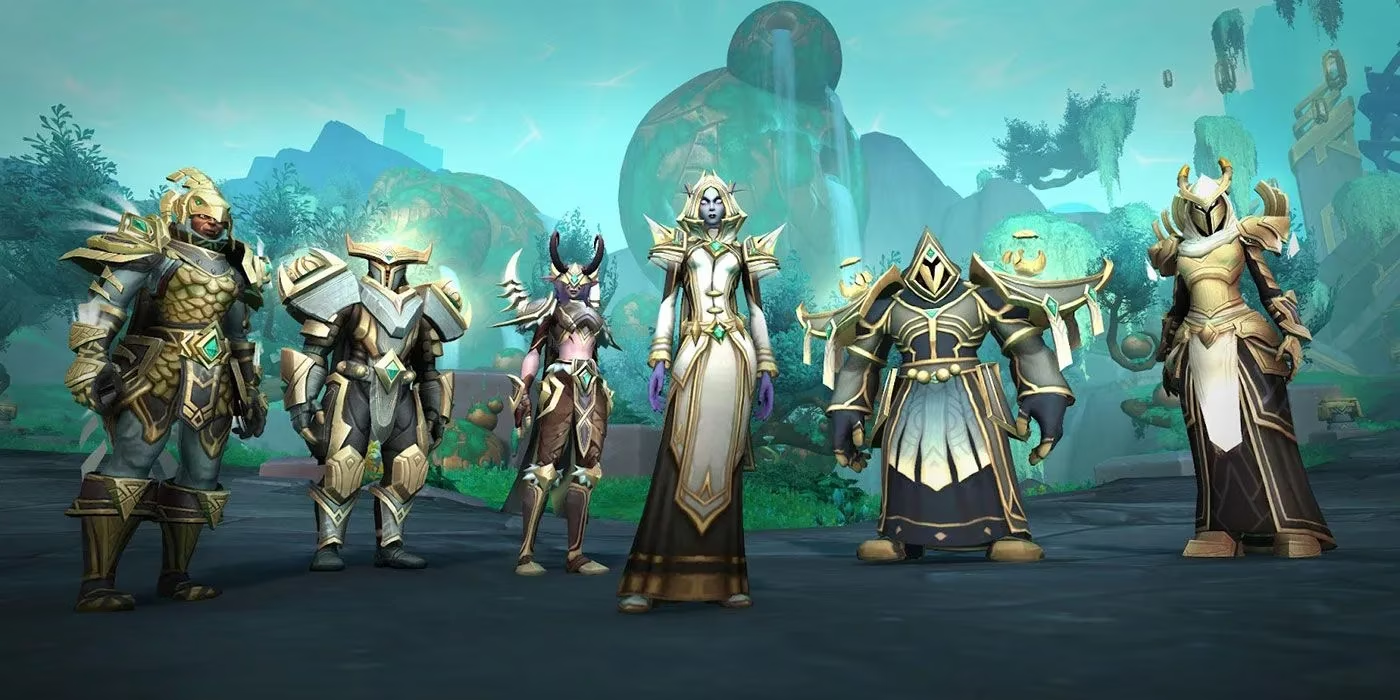
Shadowlands (2020) - Critic: 83 | User: 3.2
The pattern repeated. Critics called it a wonderful, must-have expansion. The weary player base, still recovering from Battle for Azeroth, found Shadowlands to be boring and lacking excitement, with a central narrative that failed to resonate. The high critic score contrasted sharply with the player sentiment of diminishing returns.
Analysis: Why the Divide Persists
The persistent gap between critic and user scores can be attributed to several key factors:
| Factor | Critic Perspective | Player Perspective |
|---|---|---|
| Review Context | Often based on a limited, curated review period. | Based on hundreds of hours, end-game content, and live-service updates. |
| Technical Issues | May experience a more stable pre-launch build. | Bear the full brunt of launch server instability, bugs, and patches. |
| Franchise Evolution | May reward innovation and new directions. | May punish deviations from established franchise identity and feel. |
| Value Proposition | Judges the core gameplay experience. | Judges the full package, including monetization, post-launch support, and content depth. |
Ultimately, these divided games serve as crucial case studies in the video game industry. They highlight the different lenses through which games are evaluated: the critic's view of craft and innovation versus the player's lived experience of value, functionality, and respect for legacy. As gaming continues to mature as a medium and a service, this dialogue—however contentious—remains vital for holding developers and publishers accountable and for shaping the future of interactive entertainment.