EA's Old Battlefield Bet Still Casts a Shadow in 2026
EA’s 2019 call framed Battlefield’s next-gen timing for fall 2021, prioritizing console install base and live service.
In 2026, the Battlefield franchise is judged against a very different benchmark, but a 2019 earnings call still offers a clean view of how EA once mapped its next-gen ambitions. Back then, EA CEO Andrew Wilson said the next mainline Battlefield could arrive in fall 2021, after the company confirmed the shooter would not launch in 2020 and would instead land in fiscal year 2022. Sony and Microsoft were preparing new consoles for 2020, and EA was trying to time its flagship shooter to a platform transition rather than a crowded holiday window. That is not exactly a shocker. Publishers often want hardware to find its feet before they commit to a huge multiplayer launch.
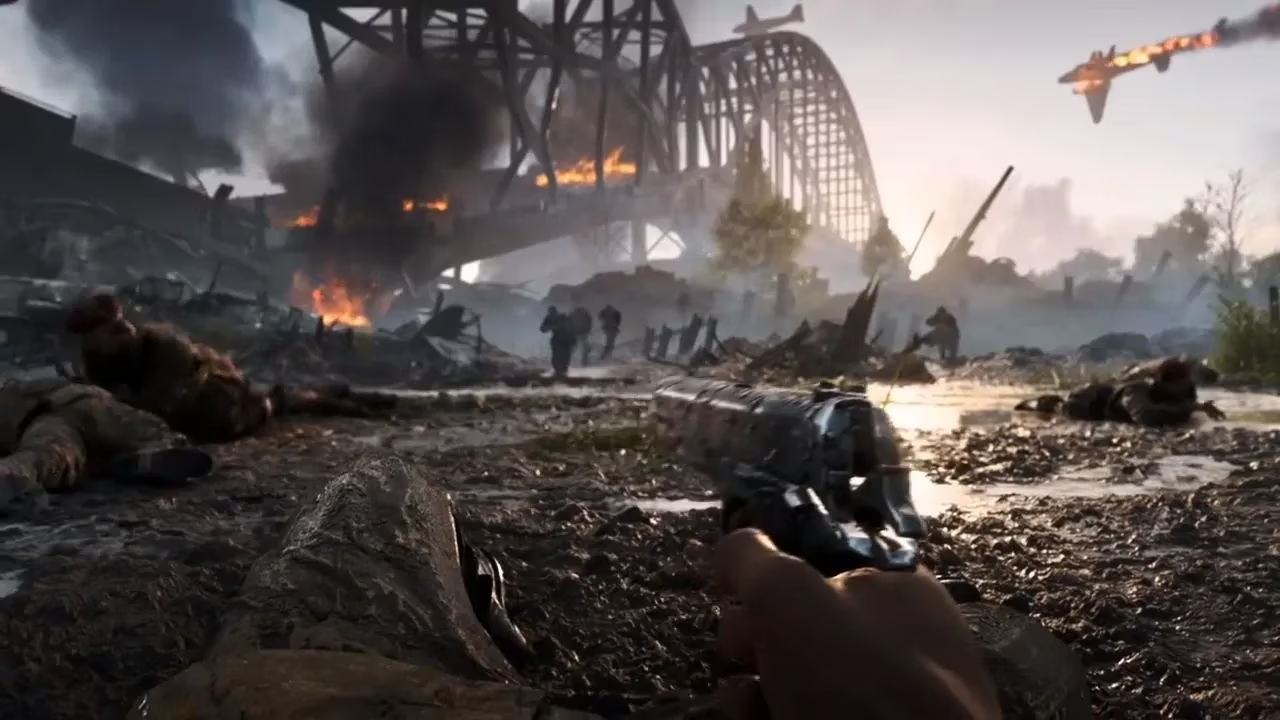
The company was not simply hitting pause; it was asking the franchise to take a breath. Wilson explained that spacing the releases was a hard call, but EA saw a burgeoning opportunity with Battlefield V and continued growth for free-to-play Apex Legends. In plain terms, the publisher wanted to keep existing players engaged while giving DICE more room to build a cutting-edge game for the next generation. The new consoles were still stretching their legs, and EA wanted the install base to grow before asking players to make a full-price leap.
Wilson's language was careful and corporate, but the strategy was easy to read. He said Battlefield had always been cutting edge in visual fidelity, gameplay and multiplayer. He added that launching on next-gen platforms would offer tremendous opportunity for innovation, yet EA wanted to give the install base time to expand. Launching Battlefield in FY22, he argued, was a strong move that could set up two years of growth. The math was simple: a bigger console audience, a longer development runway and a live-service model already sinking its hooks into the industry.
| Signal from EA in 2019 | Why it mattered |
|---|---|
| Release timing | EA ruled out 2020 and pointed to fiscal year 2022, with fall 2021 as the likely window. |
| Battlefield V and Apex Legends | EA wanted to keep current players engaged while the next shooter was in development. |
| Next-gen hardware | A larger console install base would give a premium multiplayer title a better launch pad. |
| Live service | Wilson said the franchise direction would be driven by live service, high fidelity and social competition. |
That last point was the real tell. Wilson did not promise a dramatic change in franchise direction; he promised a sharper version of what EA already valued. The next Battlefield would be cutting edge, high fidelity and built around multiplayer, social play and competition in ways earlier entries had not done. In 2026, that language feels both prophetic and a little corporate. Live service is now part of the furniture, and players can smell a gap year from a mile away. They also know when a publisher is buying time for technology to mature.
For ordinary players, the message was mixed. On one hand, EA was saying the next game would not be rushed. On the other, it was asking fans to stay patient while Battlefield V and Apex Legends carried the community. That is no small thing. A multiplayer shooter lives on momentum, and a long wait can cool even a loyal audience. EA clearly believed the pause would pay off: more time for DICE, a larger next-gen audience and a stronger live-service foundation. Whether that bet aged well is a question for 2026, not 2019, but the logic was unmistakable.
The old roadmap also showed how platform transitions shape creative decisions. EA was not just choosing a date; it was choosing a moment when the hardware, the audience and the business model could line up. The franchise was being asked to grow up with the hardware. That is a delicate dance for any publisher, and Battlefield is not a title that can be treated like a seasonal snack. It needs scale, polish and a community that arrives together.
As of 2026, the promised FY22 window is long gone, but the 2019 call remains a useful case study. It captures a publisher trying to balance patience with pressure, live service with premium release, and next-gen ambition with install-base reality. For players, the takeaway is less about a single date and more about intent: EA wanted Battlefield to arrive when the ground was ready. The question, then and now, is whether the ground was ever as ready as the spreadsheet suggested. 😅