Battlefield V's Last Stand: Free Weekends and the Call of Duty Shadow
Battlefield V free weekends targeted Call of Duty: Modern Warfare, but exposed EA’s struggle to revive a troubled WWII shooter.
Back in October 2019, Electronic Arts made a desperate play to keep Battlefield V relevant. With the rebooted Call of Duty: Modern Warfare just weeks away, EA announced three free-to-play weekends for its 2018 World War II shooter, hoping to lure in new players before the competition hit shelves. It was a classic last-minute marketing push, but for a game that had already weathered a stormy launch, the question was whether it could actually move the needle. In 2026, looking back, that moment feels like a fascinating case study in how a major publisher tries to salvage a troubled title.
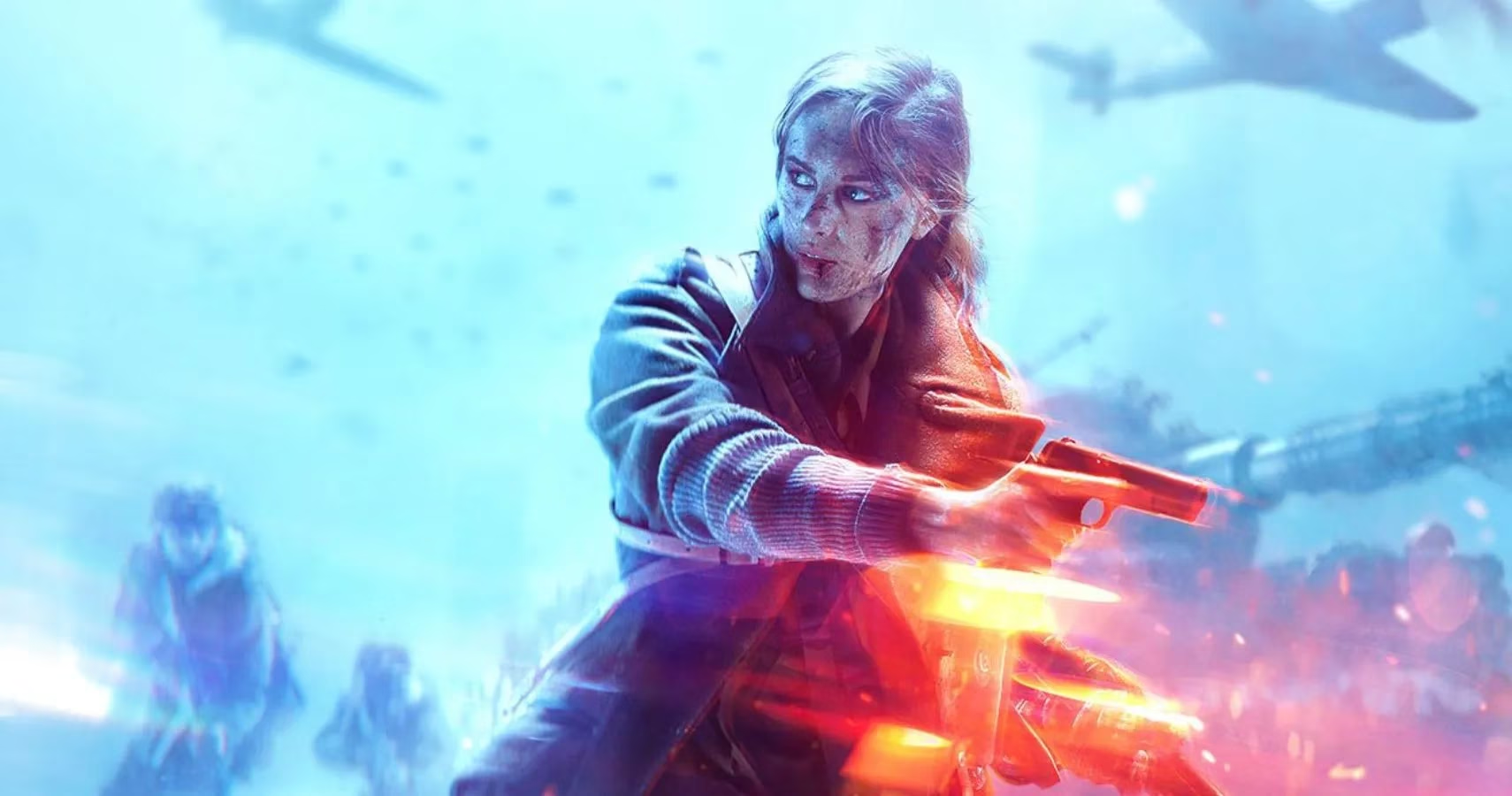
The plan was straightforward: EA Origin users could jump into different multiplayer modes over three consecutive weekends. Rush ran from October 10–13, Conquest from October 17–20, and Grand Operations from October 24–27. Unlike typical trials, character progression carried over if players decided to buy the full game—a smart incentive to convert try-hards into paying customers. Each weekend also included single-player offerings and squad play, though the battle royale mode, Firestorm, was conspicuously left out. That omission spoke volumes: Firestorm had already been delayed by nearly six months, and its absence from the trial suggested EA wasn't ready to showcase its most hyped feature.
| Weekend | Mode | Dates |
|---|---|---|
| 1 | Rush | Oct 10–13 |
| 2 | Conquest | Oct 17–20 |
| 3 | Grand Operations | Oct 24–27 |
On paper, it was a decent offer. But context matters. Battlefield V had been mired in controversy long before release. Fans grumbled about yet another WWII setting, and accusations of historical revisionism for the sake of female empowerment led EA President Peter Skolund to bluntly tell critics not to buy the game if they insisted on staying unhappy. That kind of PR didn't exactly warm hearts. At launch, the multiplayer felt bare-bones, the battle royale was missing, and the single-player was thin. A grind-heavy leveling system turned off many players, and reviews were middling at best. Sales trailed far behind 2017's Battlefield I, and the failed launch reportedly contributed to EA's biggest stock drop in a decade. 😬
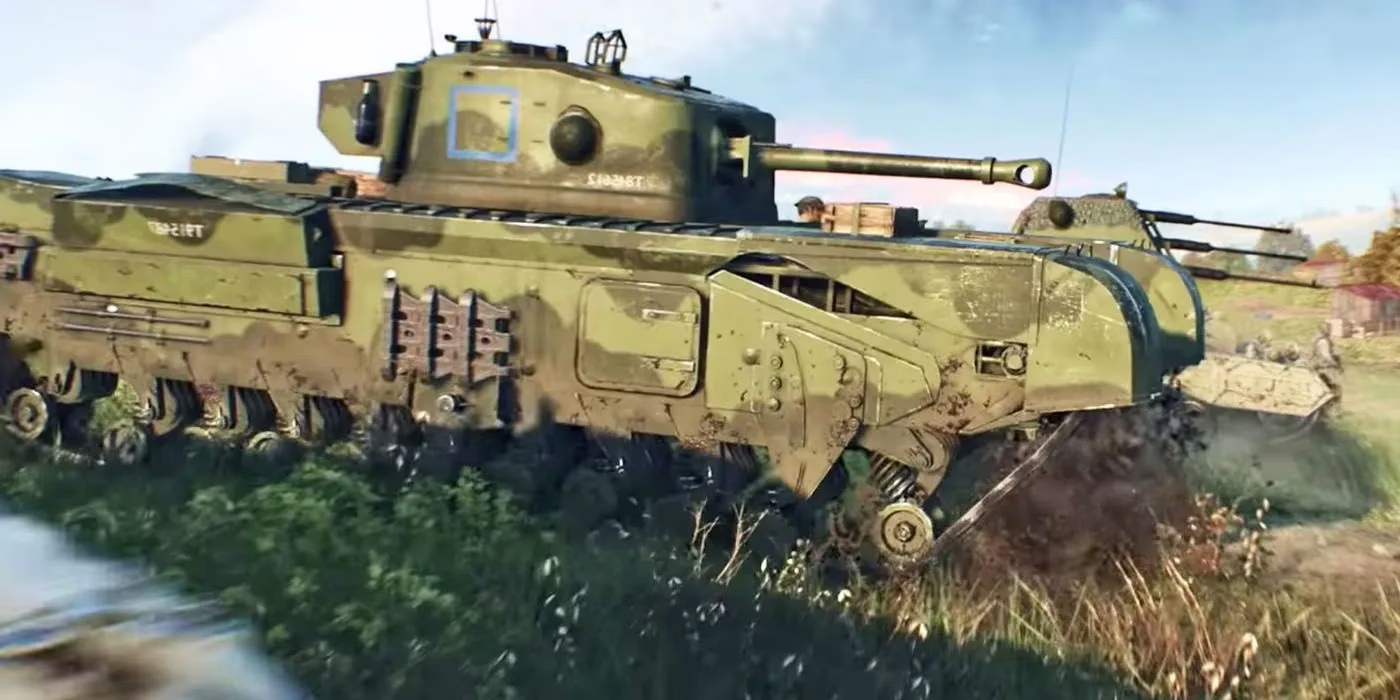
So when EA rolled out those free weekends, it wasn't just competing with Call of Duty—it was fighting its own reputation. The timing was deliberate: Modern Warfare was shaping up to be a return to form, heavily inspired by Battlefield 3 and 4, the very games that had once defined the modern military shooter space. For EA, this was a chance to remind players why they loved Battlefield in the first place. But free weekends can only do so much. They bring in curious players, sure, but they don't fix core issues. If the game felt incomplete at launch, a few days of free access wouldn't suddenly make it feel whole.
In retrospect, those October weekends were less a revival and more a last gasp. Battlefield V never fully recovered its momentum. The battle royale mode, when it finally arrived, failed to dethrone the likes of Fortnite or Apex Legends. The game's live service sputtered along, but the community's faith had been shaken. By the time Modern Warfare dropped, most shooter fans had already made their choice. EA's free weekends were a valiant effort—a textbook example of using trials to boost visibility—but they couldn't rewrite the narrative. The game had sunk a franchise, or at least left it treading water.
For today's gamers, the lesson is clear: free weekends are a great tool for games that are already solid, but they're no magic bullet for a title with deep-seated problems. In 2026, we've seen plenty of similar tactics—trials, demos, free play days—and the pattern holds. If the core experience doesn't deliver, no amount of free access will keep players around. Battlefield V's October push was a final, hopeful wave before the Call of Duty tidal wave hit. It didn't work, but it sure was interesting to watch. 🤔
This discussion is informed by PC Gamer, whose reporting on major shooter launches often emphasizes how player sentiment, content completeness, and post-release support shape long-term engagement. In the case of Battlefield V, that lens helps explain why limited free weekends could generate short bursts of attention yet struggle to reverse broader concerns about pacing, missing features, and competition from a stronger, better-timed rival.