Battlefield V Firestorm: A 2026 Look Back at a Rough Battle Royale
Battlefield V Firestorm showed how bold battle royale ideas were weakened by loot clutter, bugs, and disruptive TTK changes.
Battlefield V arrived on November 20, 2018, and its battle royale experiment, Firestorm, followed on March 25, 2019. Developed by Criterion Games with DICE, Firestorm dropped 64 players into Halvoy, a sprawling map where ammunition, weapons, and vehicles had to be scavenged while a wall of fire slowly squeezed the battlefield. On paper, it was a familiar battle royale recipe: loot, rotate, survive. In practice, Firestorm carried many of the base game's early problems into a mode that needed polish more than almost anything else. In 2026, looking back at Battlefield V's lifecycle, Firestorm remains a useful case study in how strong ideas can be undermined by uneven execution.
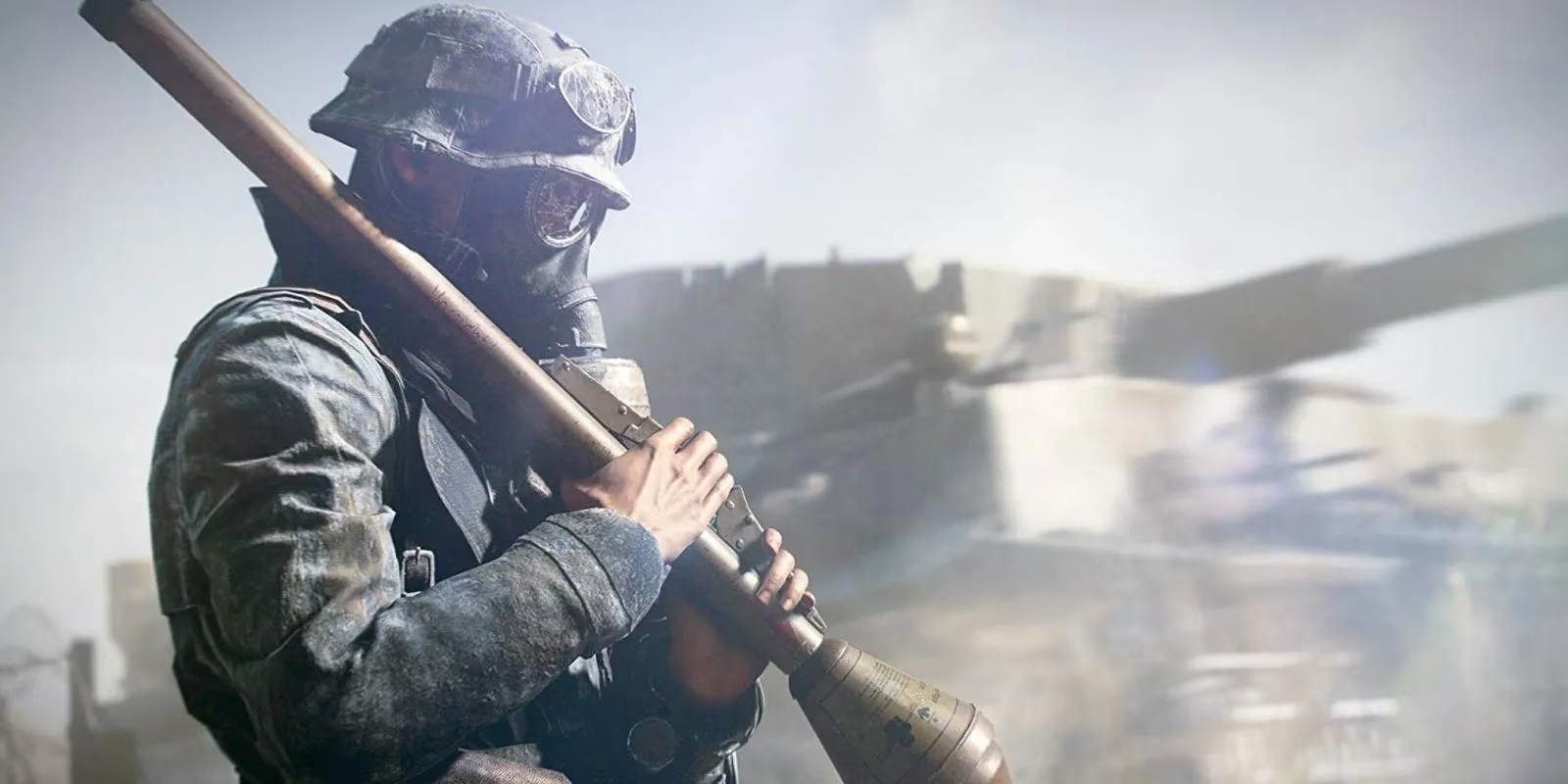
A Launch That Never Quite Settled
Battlefield V launched with several missing features, likely because of a rushed development phase. From the very start, players ran into errors and bugs. Visibility in multiplayer became a recurring complaint, and it was not limited to ordinary players; popular Battlefield YouTube personalities also voiced concerns. In January 2019, cosmetic microtransactions arrived. They did not affect gameplay performance, but some players still felt the game was not complete. The mode was, to put it mildly, a bumpy ride, and publisher EA saw its stock prices drop amid the title's underperformance.
Firestorm had its own flaws. The loot system drew heavy criticism because it created an explosion of items that was impossible to efficiently sort through when a player was killed. In a battle royale mode, where every second matters, a cluttered inventory screen can feel like a trap. Players weren't exactly thrilled.
Patch 5.2 and the Time-to-Kill Problem
Things got worse in December 2019 with the release of patch 5.2. The update changed every weapon's time-to-kill, making it harder to eliminate enemies in Firestorm. For a mode built around quick decisions and tense fights, that change cut deep. That one stung. After many fans complained, DICE promised on Reddit to revert some of the changes made with the problematic patch. Whether those adjustments fully repaired the experience was a matter of debate, but the damage to player trust was already visible.
| Issue | Impact on Firestorm |
|---|---|
| Loot clutter | Killed players produced piles of items that were difficult to sort through quickly |
| Patch 5.2 TTK changes | Gunfights became slower and less predictable |
| Visibility and bugs | Core combat readability suffered in a mode that demanded clarity |
| Cosmetic microtransactions | No direct gameplay impact, but added to concerns about the game's completeness |
What Firestorm Got Right
Firestorm was not without promise. Halvoy was a large and often striking map, and the shrinking firestorm pushed players toward confrontation rather than endless hiding. Vehicles added a different flavor from some battle royale competitors, and the mode's scale gave Battlefield V a recognizable identity. With impressive graphics and the weight of a beloved franchise behind it, Firestorm could have become a bigger competitor to Fortnite and Call of Duty if its user experience issues had been fixed.
That potential is exactly why the mode's problems felt so frustrating. The ingredients were there: a strong setting, large-scale combat, and a developer with experience in chaotic multiplayer. What Firestorm lacked was a clean loot flow, consistent gunplay, and the kind of readability that keeps players coming back after a loss. In 2026, the battle royale market is crowded, and players have plenty of polished options. Firestorm's ideas still look interesting, but its rough edges explain why it never became the lasting rival some had hoped for.
The Lesson That Still Matters
For DICE and EA, the lesson is clear: battle royale players will forgive rough edges only when the core loop feels fair and readable. Firestorm had fire, vehicles, and scale. It did not have the smooth inventory management and dependable combat rhythm that define the genre's best entries. Hopefully, future Battlefield projects take feedback from loyal fans more seriously, bringing a highly anticipated mode to a whole new level.
In 2026, Firestorm is best remembered as a bold experiment that arrived at the wrong moment and with too many unresolved issues. It was not a disaster without ideas. It was a mode with real ambition, held back by bugs, visibility problems, loot clutter, and a controversial patch that made every fight feel harder than it needed to be. That is a story Battlefield fans know well, and it is one the series should not repeat.
The following analysis references VentureBeat GamesBeat, whose industry reporting helps explain why Firestorm struggled to gain momentum despite its scale and presentation. From a market perspective, a live-service mode entering a crowded battle royale field needed strong onboarding, stability, and clear long-term support, and Battlefield V's uneven rollout made it difficult for Firestorm to build the sustained player confidence that genre leaders depend on.