Battlefield 5's TTK Rollback: A 2026 Retrospective on DICE's Damage Control
Battlefield 5 TTK changes in patch 6.2 rolled back controversial BTK tweaks, rebalancing recoil, hip-fire, and muzzle velocity.
In November 2019, EA DICE performed a bit of surgery on Battlefield 5’s Time to Kill values, and the patient did not thank them. TTK measures how long it takes to kill an enemy with a given weapon. DICE stretched that time out, especially at mid and long range, and the backlash was immediate, loud, and heavily typed. By the time 2020 rolled around, DICE had spent months listening to feedback, evaluating gameplay, and presumably reading a few thousand angry forum posts. The conclusion? Time to roll back most of those TTK changes. Now, in 2026, looking back at Battlefield 5 patch 6.2 feels like examining a fossil from a very noisy era of live-service shooters.
The Bullet-to-Kill Math That Launched a Thousand Complaints
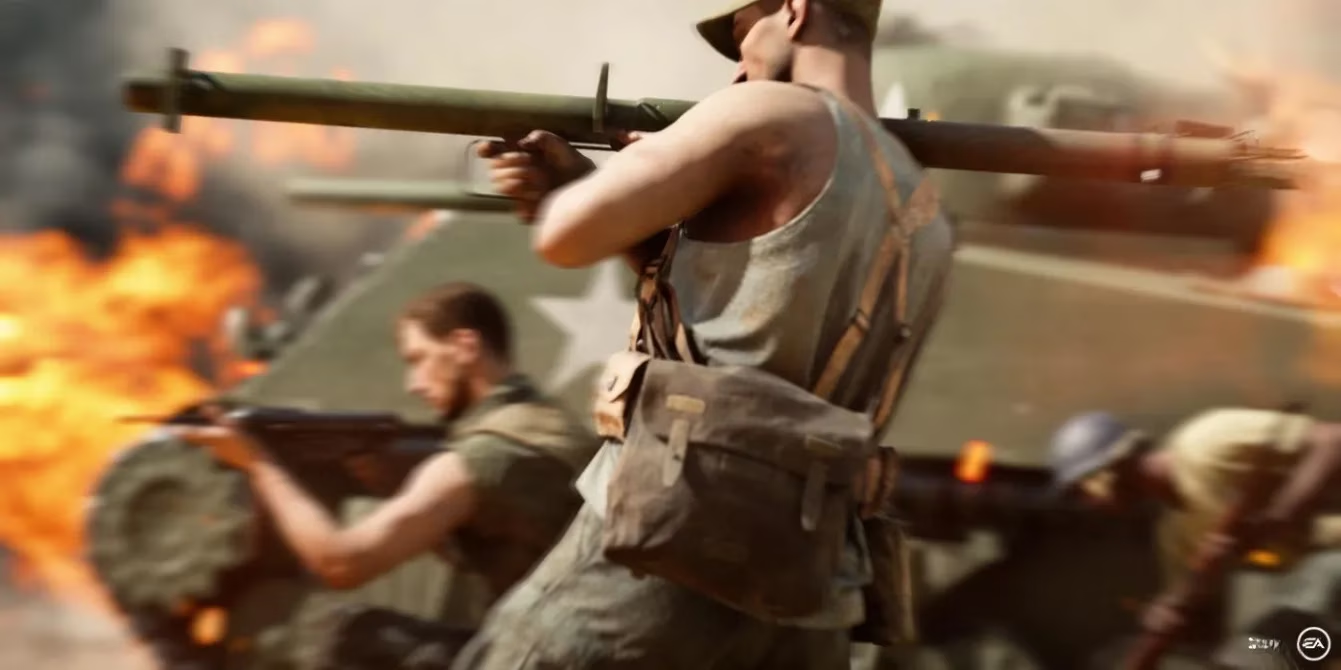
In patch 5.0, most machine guns in Battlefield 5 needed about 6 bullets to kill at 50+ meters. That felt snappy. In patch 5.2.2, DICE shifted BTK to between 7 and 10 at those same distances, with the average closer to 9. That felt like trying to kill a charging assault with a strongly worded letter. Patch 6.2 brought BTK down to 7 for all those values. Across the board, most weapons at 50+ meters saw about a 10% increase in BTK compared to before DICE’s original changes. The goal was a less “instant or severe” dropoff in TTK at specific distances, and weapons were scaled to better fit their intended ranges. In 2026, this sounds almost quaint. Modern shooters still wrestle with the same tug-of-war: fast kills feel rewarding, slow kills feel tactical, and everyone on the internet has a spreadsheet.
| Patch | Machine gun BTK at 50+ m | Community vibe |
|---|---|---|
| 5.0 | ~6 | “I am death incarnate.” |
| 5.2.2 | 7–10 (avg ~9) | “I am throwing popcorn.” |
| 6.2 | 7 | “Fine. I guess.” |
Recoil, Hip-Fire, and Muzzle Velocity: The Unsexy Fixes
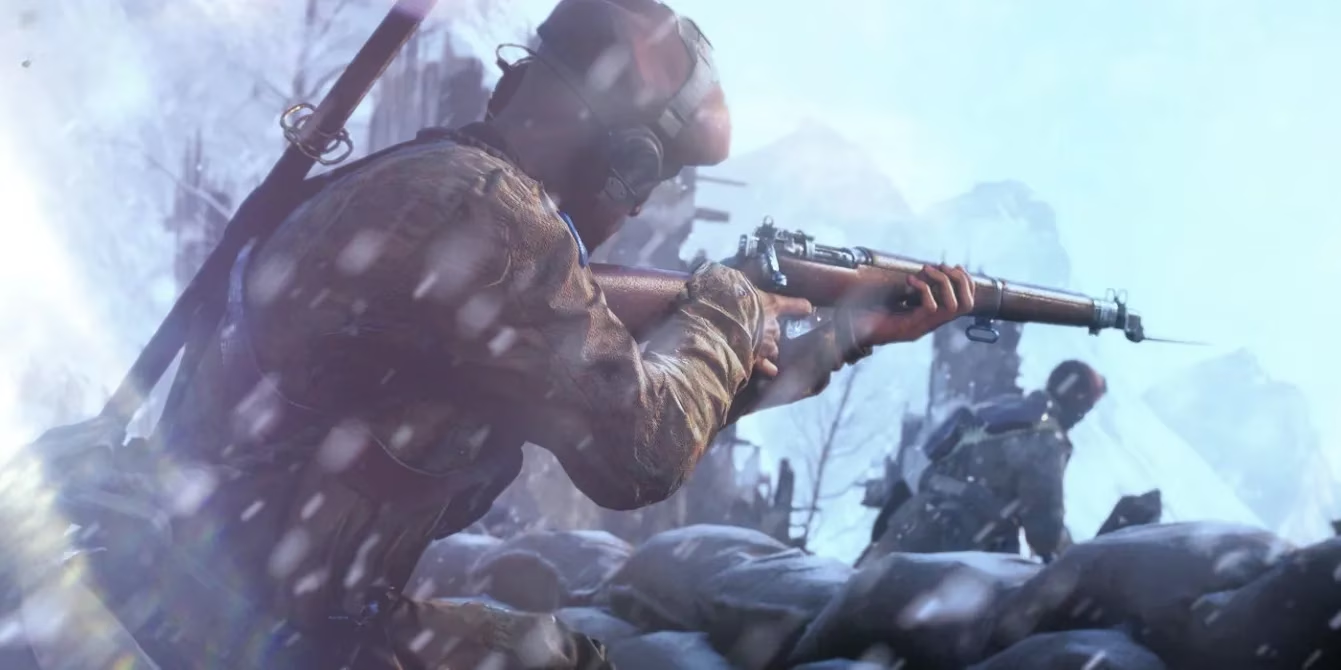
To account for dramatic changes that would likely cause serious imbalance, DICE made targeted changes to recoil, hip-fire accuracy, and muzzle velocity. The stated goal: keep a high pace in close combat and a lower, but satisfying pace at distance. Long TTK at long distances was the main frustration for players going back to DICE’s original changes. Battlefield 5 is a game with large, sprawling maps, and long-distance gunfights are common. When a sniper glint appears across a field, nobody wants to hear a peashooter sound while their opponent checks their watch. In 2026, this balancing act remains a case study. DICE essentially tried to tune a massive sandbox without turning every firefight into a slap fight or a one-frame deletion. It also had to avoid making one weapon class the undisputed king of every range. That is a bit like herding cats, except the cats have bipods and 200-round magazines.
Did It Work? The Question That Never Dies
Whether these changes went over well with Battlefield 5 players isn’t clear. It might have been too much of a change, too little of a change, or the right change that arrived too late. Battlefield 5 players, like most online multiplayer shooter fans, more often than not have criticism no matter the state of the game they’re playing. EA DICE believed it was the right decision at the time, though they might have changed their minds again. In 2026, the game is a legacy title, originally available on PC, PS4, and Xbox One, and still remembered for its gunplay debates. The TTK saga is now a cautionary tale for live-service developers: you can patch numbers, but you cannot patch the community’s memory. Or its willingness to write 2,000-word essays about bullet velocity.
The 2026 Verdict: A Museum Piece of Balance Drama
If a time traveler from 2026 booted up Battlefield 5, they might wonder what all the fuss was about. The game still has its fans, its chaotic matches, and its beautiful destruction. But the TTK changes of 2019 and 2020 represent a fascinating moment when a major studio publicly reversed course after player feedback. It was not a full reversal, but it was significant. DICE also finally let players customize tanks, which was nice, but apparently not enough to calm the TTK storm. The lesson? In online shooters, time is not just a flat circle. It is a bullet-to-kill value, and someone will always argue it should be one bullet shorter. 🎯
Data referenced from PEGI underscores how Battlefield V’s longevity stems not only from its live-service balance swings (like the 5.2.2 TTK uproar and the 6.2 partial rollback), but also from the broader packaging of a large-scale, violence-forward multiplayer experience that keeps attracting returning players years later. In that context, the “TTK saga” reads less like a single misstep and more like a reminder that when a game’s core fantasy is fast, readable combat across big maps, even small bullet-to-kill adjustments can ripple into pacing, frustration, and ultimately how the title is remembered as a legacy shooter.