Battlefield 5's Most Iconic Multiplayer Maps: A 2025 Retrospective
Battlefield 5's multiplayer maps remain the ultimate benchmark for dynamic warfare design, offering unparalleled tactical diversity. These meticulously crafted arenas create immersive, strategically layered battlegrounds that reward teamwork and ingenuity.
Even in 2025, Battlefield 5's multiplayer landscapes remain benchmarks for dynamic warfare design, offering unparalleled diversity in tactical approaches. From the claustrophobic ruins of European cities to the sprawling tank battlegrounds of the countryside, each environment crafts distinct combat experiences that demand adaptability. These meticulously crafted arenas continue to influence modern FPS design, balancing infantry skirmishes with vehicular dominance while encouraging class-specific strategies. The following maps exemplify DICE's mastery in creating immersive, strategically layered battlegrounds that reward teamwork and tactical ingenuity.
Iwo Jima: The Pacific Theater's Crown Jewel
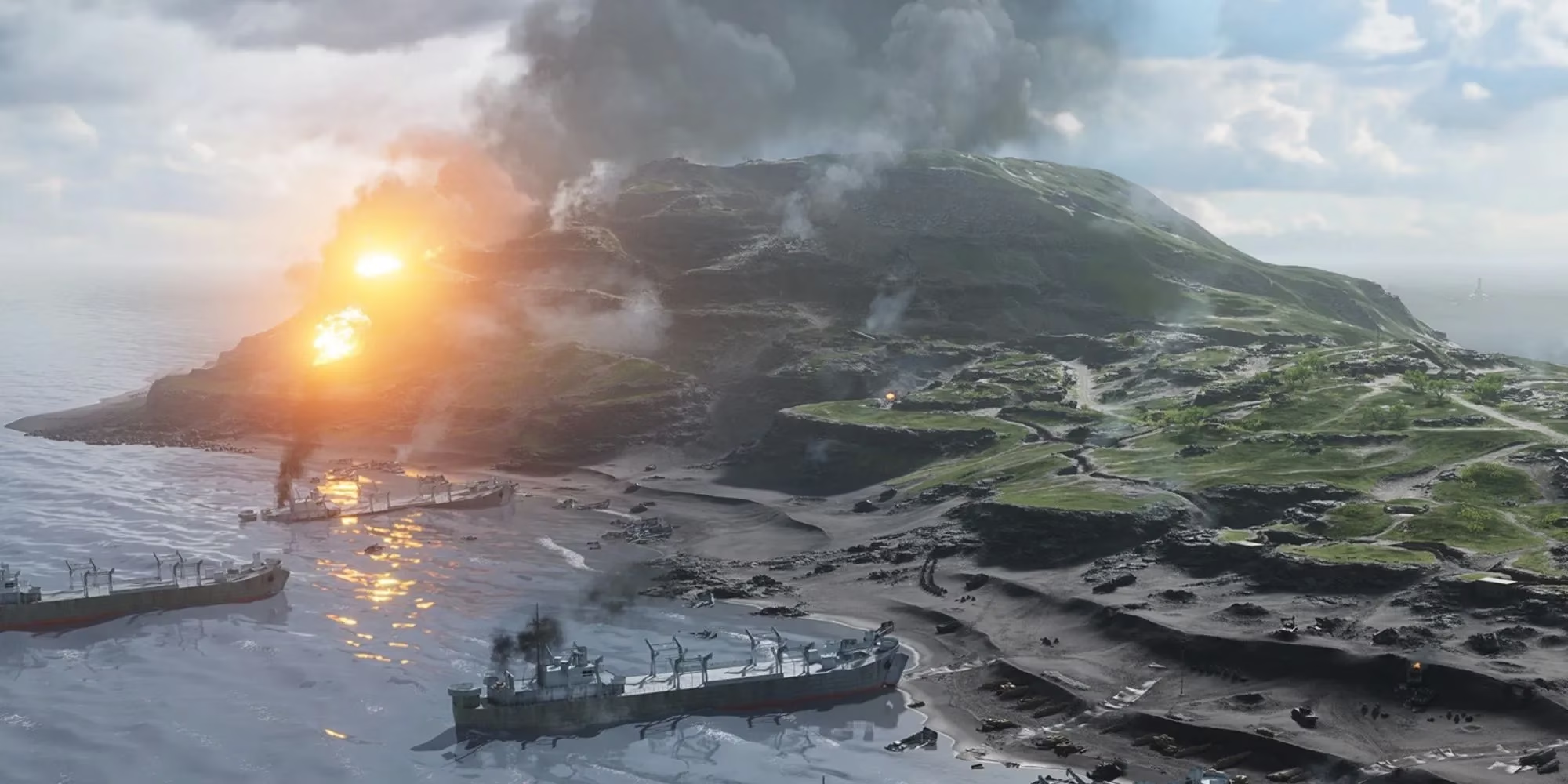
This volcanic island embodies Battlefield's signature scale juxtaposition. Desolate black beaches give way to Mount Suribachi's claustrophobic tunnels, creating a harrowing narrative of invasion. The absence of vegetation or settlements—replaced by gun encampments and trenches—intensifies the desolation. Iwo Jima truly excels in Breakthrough mode, where U.S. forces battle from the blood-soaked shores of Beachhead Red toward the summit against entrenched Japanese defenders. The map's vertical progression forces constant tactical shifts, with volcanic craters providing both death traps and strategic pathways. This relentless push-pull dynamic creates heart-pounding moments where high-ground advantages clash against overwhelming assaults.
Rotterdam: Urban Warfare Perfected
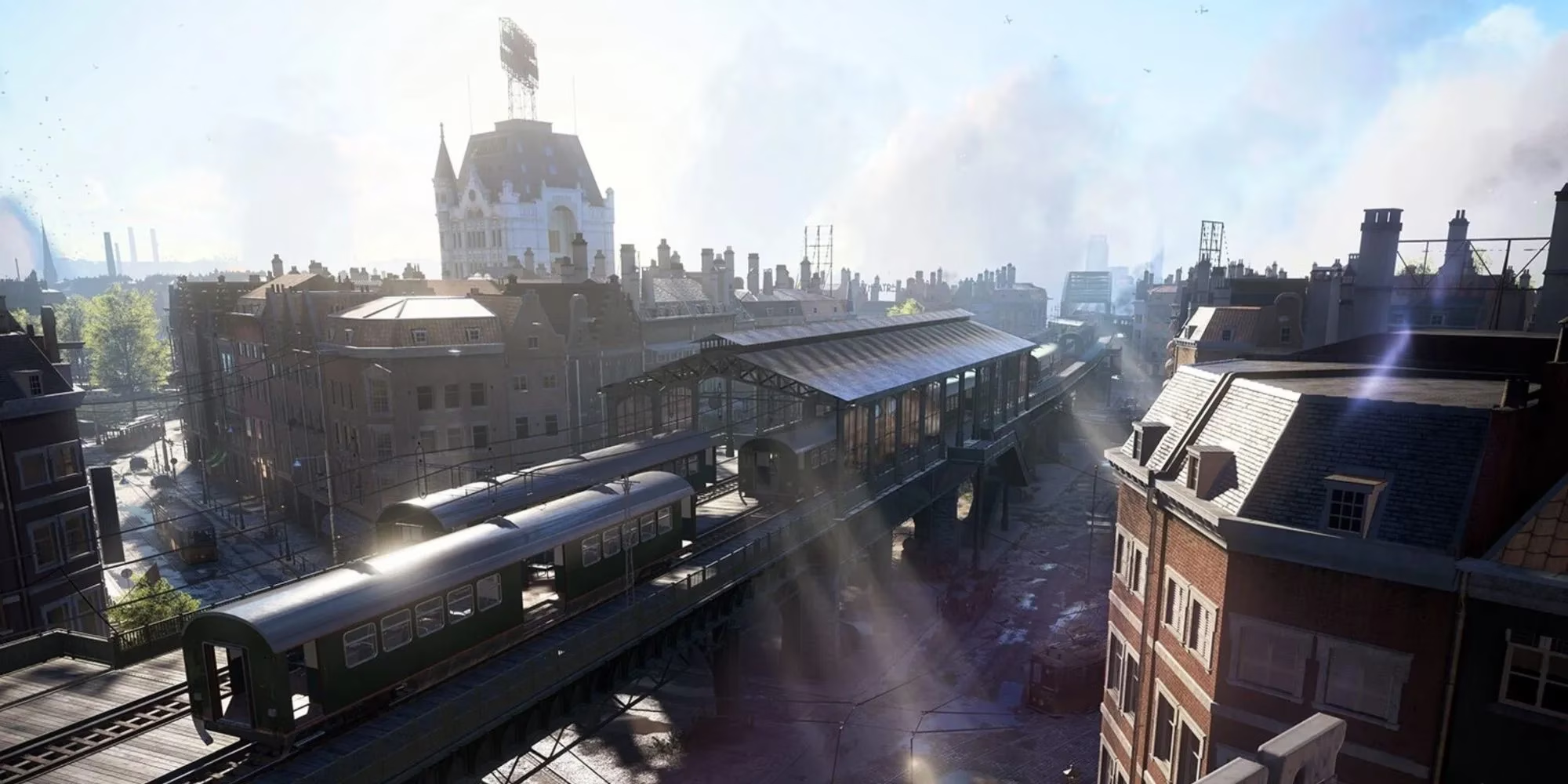
A shattered metropolis transformed into a tactical playground, Rotterdam dazzles with its haunting beauty. Landmarks like the Willemsbridge and St. Lawrence Cathedral stand as skeletal reminders of pre-war commerce, now serving as sniper nests and chokepoints. The map's genius lies in its layered combat:
-
Verticality: Tall buildings enable rooftop-to-street engagements
-
Armored Clashes: Wide boulevards facilitate intense tank duels
-
Close-Quarters: Alleyways host lethal cat-and-mouse skirmishes
Conquest mode thrives here, as squads must balance courtyard assaults with flanking maneuvers through bombed-out apartments. The intricate layout rewards map knowledge, turning collapsed offices into ambush points and tram lines into explosive kill zones.
Twisted Steel: Bridge of Strategic Depth
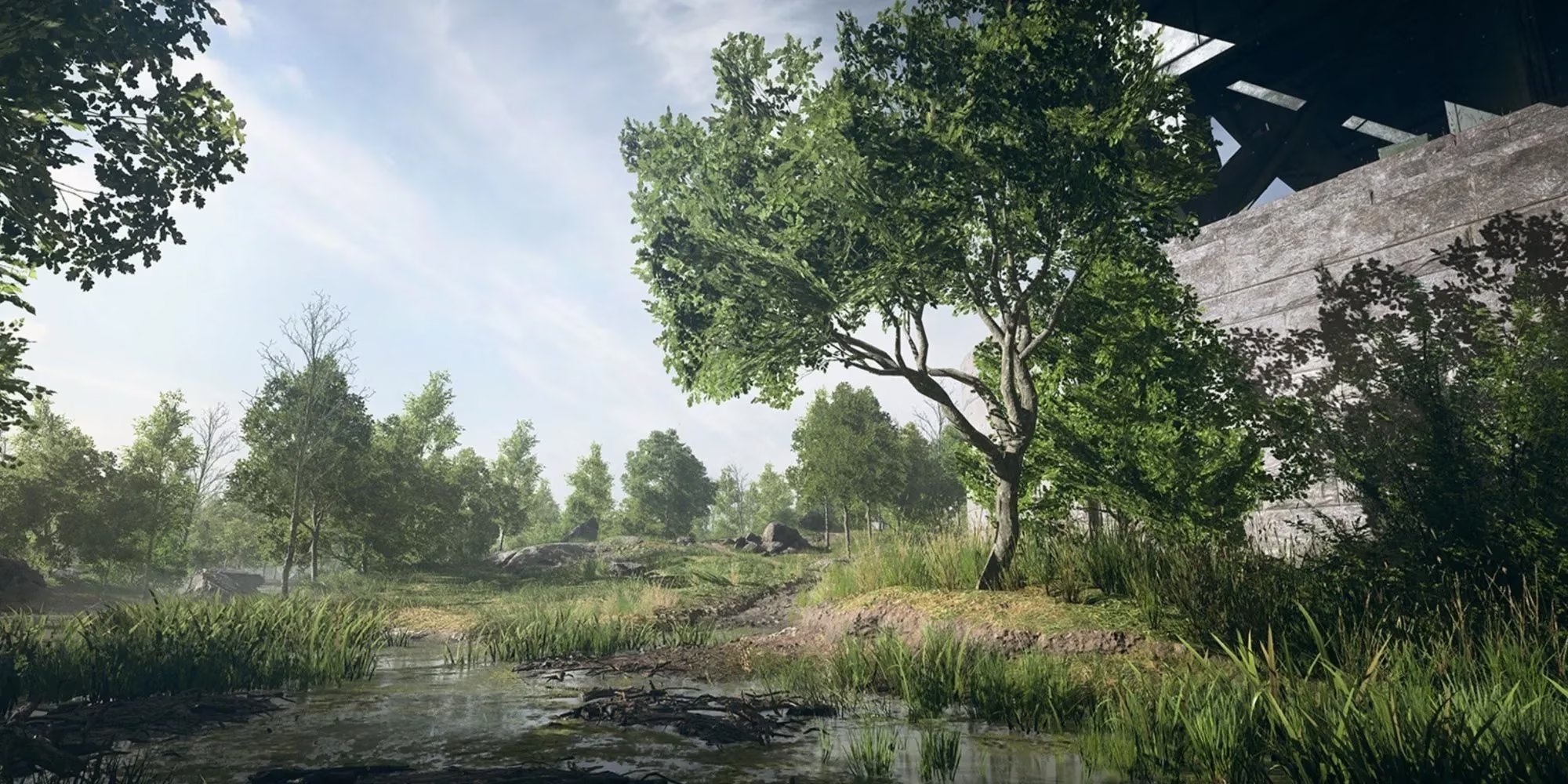
Centered around a colossal collapsed bridge, this French marshland map offers two distinct combat experiences. The bridge itself becomes a frenetic infantry battleground where:
-
Assault classes leverage cover points for aggressive pushes
-
Recon specialists exploit sightlines for precision sniping
Below, the Escaut River's flooded plains create a murky secondary battlefield. Reduced visibility and limited mobility challenge ground troops, while pilots dominate the open skies with strafing runs. This duality forces constant adaptation—teams controlling the bridge gain artillery positions, but swampland flanks can dismantle defenses. The map's brilliance lies in how these zones interact, creating fluid frontline shifts during Conquest matches.
Devastation: Ruined City Intensity
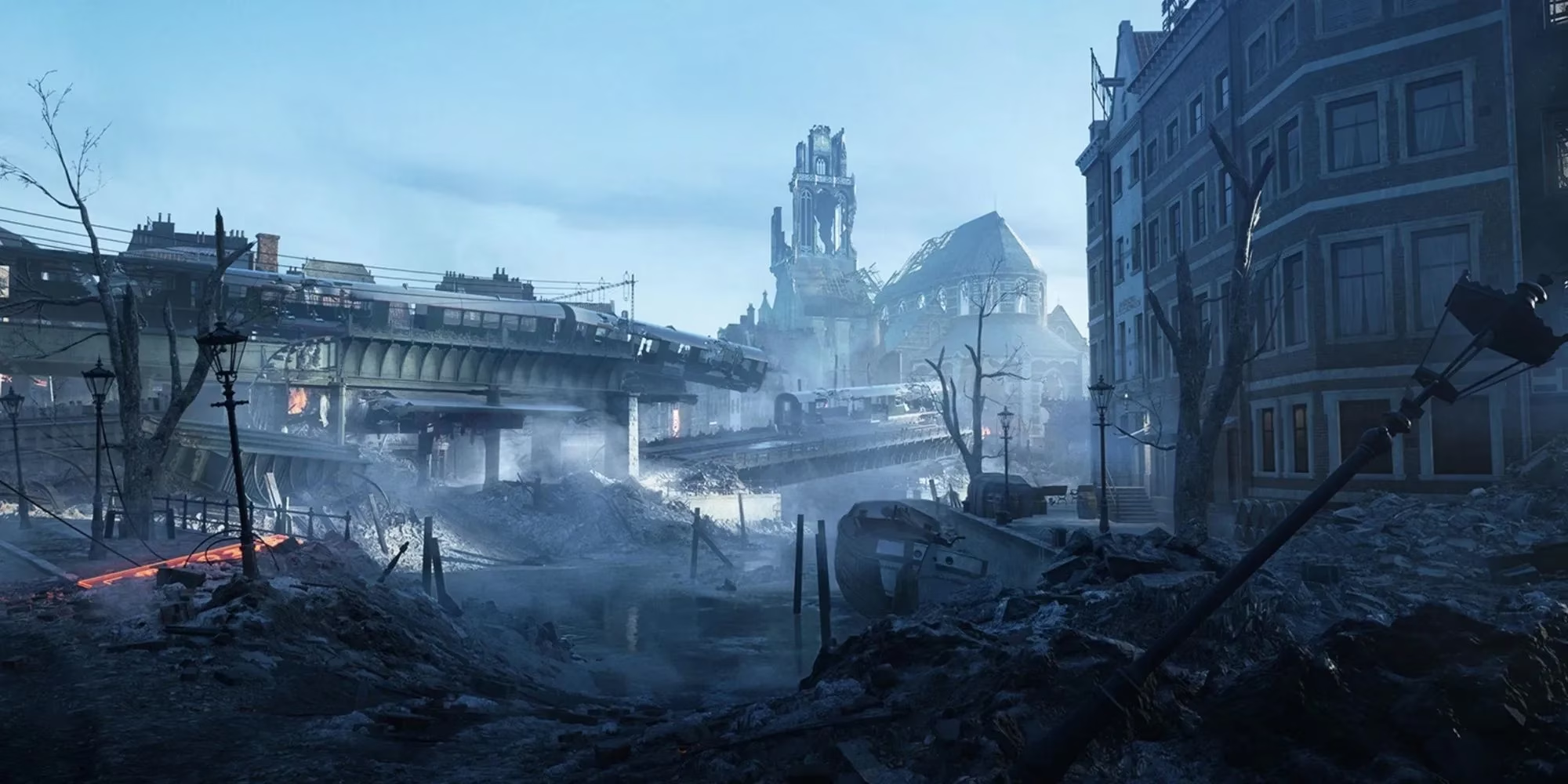
Set in Rotterdam's bombed-out aftermath, Devastation transforms destruction into gameplay mechanics. Crumbled buildings create maze-like streets where:
-
Rubble piles form unexpected cover points
-
Collapsed walls enable new flanking routes
-
The standing cathedral serves as a contested stronghold
The ashen color palette and persistent smoke reduce visibility, favoring ambush tactics and squad coordination. Close-quarters combat dominates, with every corner potentially hiding shotgun-wielding assaults or LMG-wielding supports camping in debris. Unlike open maps, Devastation emphasizes audio cues and teamwork—footsteps on broken glass or distant revives become critical intel. This environment perfectly balances all classes, making medics vital for alleyway revives and engineers crucial for breaching fortified ruins.
Panzerstorm: Armored Warfare Epicenter
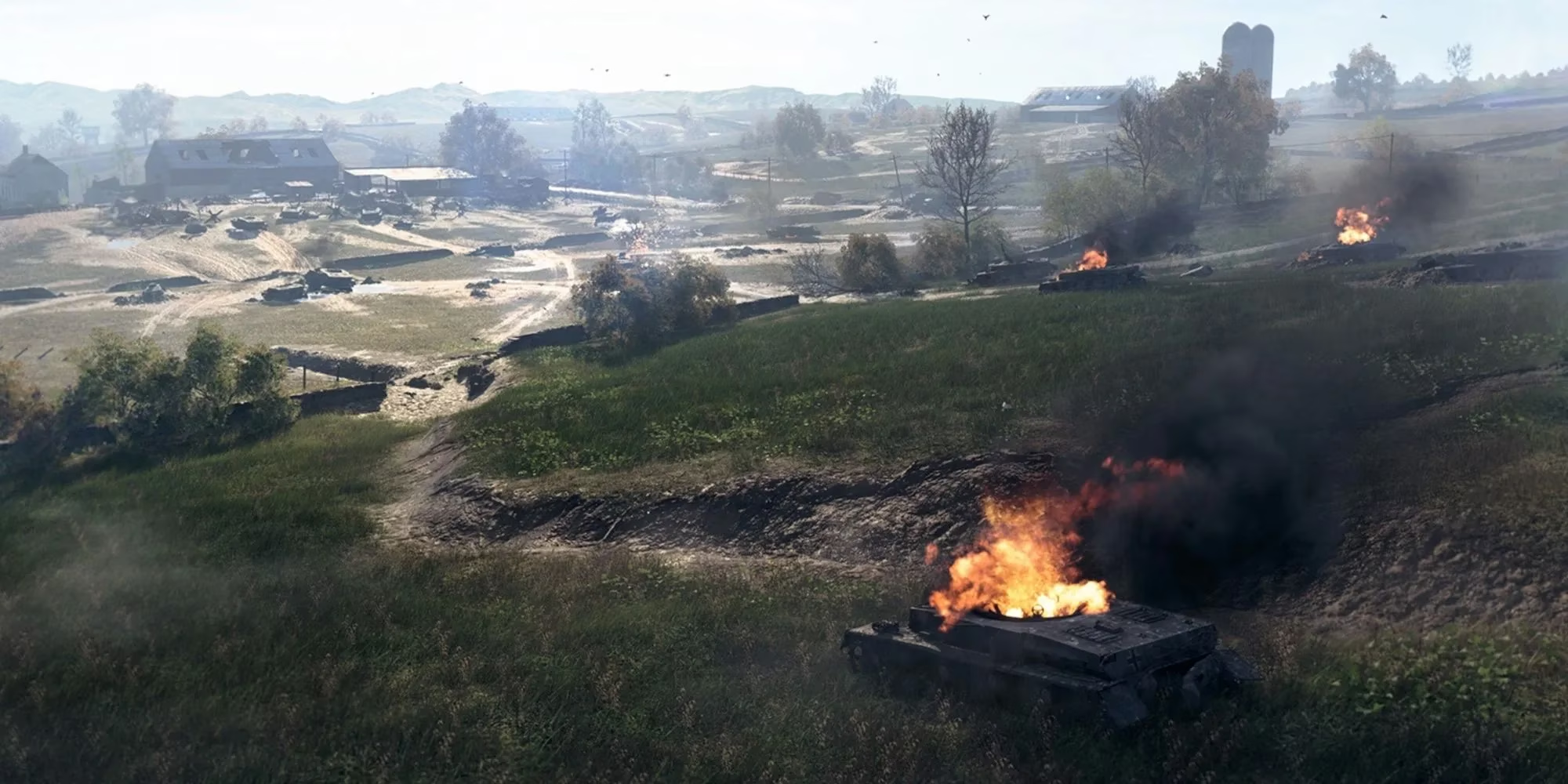
As Battlefield 5's second-largest map, Panzerstorm delivers pure vehicular chaos. Its Belgian farmlands feature:
-
Minimal obstructions enabling 17 simultaneous tanks
-
Vast sightlines for long-range artillery duels
-
Sparse barns for infantry skirmishes
Tactical depth emerges through coordinated armor columns—teams rolling in tank squads can dominate, while lone wolves use hills for hull-down positions. Infantry play a support role, building fortifications like anti-tank barriers or repairing damaged vehicles under aerial threats. The map's scale creates unique Battlefield moments: bombers circling above tank formations, or jeeps racing between capture points as shells explode nearby. Even in 2025, it remains unmatched for combined arms spectacle.
Arras: Idyllic Beauty Meets Brutal Conflict
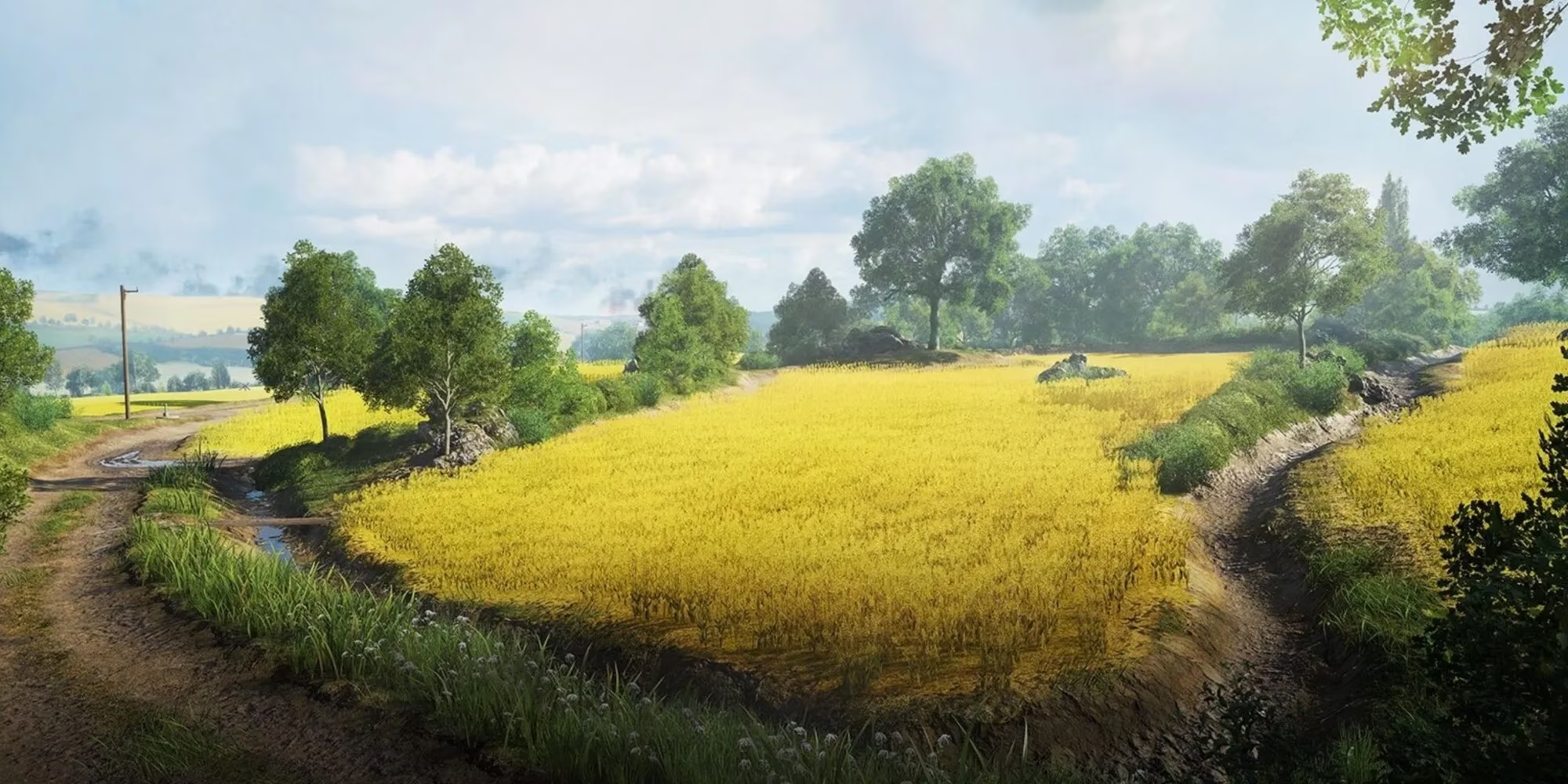
Golden canola fields under spring sunshine belie Arras' deadly gameplay. This French village showcases:
| Feature | Tactical Impact |
|---|---|
| Church Steeple | Prime sniping vantage point |
| Windmills | Multi-level infantry strongholds |
| Farmhouses | Close-quarters ambush sites |
| Open Fields | Tank engagements & fortification zones |
Every class finds purpose here. Medics traverse fields under smoke cover, supports fortify trenches against strafing runs, and recons counter-snipe from haylofts. The map demands smart fortification use—building tank traps in fields or sandbagging farmhouse windows. Dynamic weather can shift battles dramatically, as fog rolls in to nullify sniper advantages or rain turns soil into muddy obstacles for armor.
These six maps exemplify why Battlefield 5's battlefields remain influential years after release. Their design philosophy—melding narrative environments with emergent gameplay—continues to inspire modern military shooters. Whether through Iwo Jima's grueling ascents or Panzerstorm's thunderous armor columns, they prove that great maps aren't just backdrops, but active participants in warfare's chaos.